How Online Games Can Support Creative Player Communities
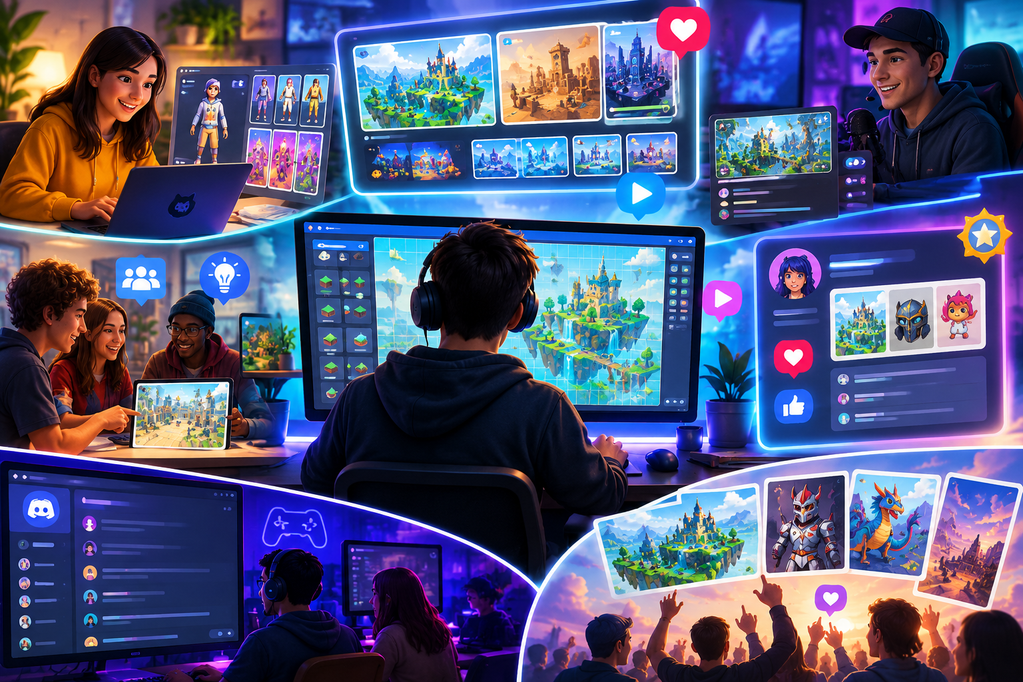
The most thriving online games aren’t just about playing, they’re about creating. Players building custom levels, designing cosmetics, streaming their gameplay, creating fan art, building communities around shared passion. Those creative players transform games from entertainment products into platforms for expression and collaboration. Yet most games treat players as consumers rather than creators, missing the opportunity to transform passive players into active contributors. Games that actively support creative player communities develop deeper engagement, stronger loyalty, and organic growth that comes from players being genuinely invested in the game’s success rather than just passively consuming content.
Why Creative Communities Matter
A game with only the content developers create inevitably runs out of novelty. A game where players create content alongside official content feels fresh indefinitely because player creativity constantly generates new things to explore. Players competing to create the best level, the most interesting build, the most entertaining video, creates content generation that no developer could match through pure output.
That creativity also builds investment. A player who created something and shared it with others now has stake in the community. That creator becomes an ambassador, inviting friends to see their creation, explaining why the game is worth playing. That word of mouth, coming from genuine creative investment rather than marketing, is far more persuasive than any advertising campaign.
Creative communities also build resilience. A game dependent entirely on official content succeeds or fails based on developer output. A game with thriving creative communities succeeds as long as players keep creating, which means the game can outlive official support cycles. Players keep the community alive through their own contributions.
What Enables Creative Player Communities
Accessible Tools For Player Creation
Players can’t create if the tools are inaccessible. That doesn’t mean tools need to be simple, it means they need to be learnable and available. A robust level editor that’s complex but well-documented lets dedicated players create elaborate levels. Simple cosmetic customization options let casual players express themselves without requiring advanced skills.
Accessibility matters more than feature completeness. A tool that’s limited but easy to use generates more player content than a powerful tool that’s difficult to learn. That’s not a limitation, it’s recognition that more people using simple tools creates more total content than fewer people using complex tools.
Clear Systems For Sharing Creations
A player who creates something but can’t share it easily gets frustrated and stops creating. Clear discovery systems, straightforward sharing mechanisms, ways for creations to reach interested audiences, all of this matters. A level editor where players can publish their levels directly into a public queue where others can play creates engagement. A cosmetic system where players can share designs and others can vote on them creates content curation through community.
Those sharing systems should make discovery natural. A player shouldn’t need to dig through dozens of menus to find new player-created content. Featured creations, trending content, recommendations based on what other players enjoyed, all of this makes player-created content discoverable.
Community Recognition For Creators
Creators want their contributions recognized. A cosmetic creator wants to see people using their design. A level designer wants to see players enjoying their level. A video creator wants views and engagement. That recognition drives continued creation more than anything else.
Recognition doesn’t need to be elaborate. A like system, a view counter, a comment section where players can give feedback, all of this provides recognition that encourages continued creation. Featured creators getting visibility on community channels, creator spotlights, recognition programs, all of this celebrates those contributing to community and encourages others.
Safe Spaces For Community Interaction
Creative communities require spaces where players can collaborate, share feedback, celebrate each other’s work. A Discord community for level creators. A subreddit for cosmetic design. A streaming community where creators can share their work. Those spaces, whether official or player-run, are where creative communities actually live.
Those communities need active moderation to stay healthy. A creator-focused community with good moderation where constructive feedback is encouraged and toxicity is addressed stays vibrant. A community that allows harassment of creators drives creators away. That moderation isn’t suppression, it’s protection of the space where creativity thrives.
Types of Creative Support Systems
User-Generated Content Systems
Level editors, map builders, custom game mode creators, all of these let players create new gameplay content. Those systems work best when creation is intuitive but powerful, when sharing is easy, and when players get immediate feedback about whether their creation is engaging.
Cosmetic Customization
Character customization, skin design systems, cosmetic editors, let players express themselves visually. Those systems work best when they’re accessible to casual players while offering depth for ambitious creators, when sharing is easy, and when community recognition celebrates creative designs.
Community Events and Contests
Regular contests where players submit creations, community votes on favorites, recognition for winners, creates structure that encourages creation. A monthly level design contest. A seasonal cosmetic design challenge. Competitions drive creation by giving creators something specific to work toward and recognition when they succeed.
Creator Support Programs
Official recognition programs for prolific creators, revenue sharing for popular cosmetics, featuring creator content on official channels, transforms creators into collaborators with the game studio rather than just players. That partnership approach makes creation feel valued rather than like creating content without compensation.
Community Documentation and Guides
Player-created wikis, guides, tutorials, build videos, all of this supports the community by helping newer players learn from experienced players. Supporting that documentation through official channels, linking to quality guides, recognizing skilled teachers, validates that contribution.
A Practical Example of Creative Community Support
Steal an Egg demonstrates what happens when a game supports creative player engagement, where community contributions feel valued and integration with official content creates genuine collaboration. The game shows how games built around community participation develop ecosystems that sustain themselves through player creativity.
Understanding how to design games that support creative communities means recognizing that players want to contribute, providing accessible tools for that contribution, and celebrating their work as genuinely valuable. Learning how to build a social gaming platform that encourages creative participation transforms passive players into active creators invested in community success.
Fostering Creative Communities Deliberately
Start Small and Encourage Growth
Creative communities don’t require enormous populations. A small group of dedicated creators can generate impressive amounts of content. Support that early creative core, recognize their contributions, make space for them to lead. Early creators become community evangelists, inviting friends, teaching newcomers, establishing norms about quality and helpfulness.
Be Transparent About Creation Support
Let players know that their creations are valued. Communicate about featuring community content, share metrics about player engagement with user-generated content, celebrate the creators behind it. That transparency shows that community participation matters, not just as PR but as genuine value to the game.
Respond to Creator Feedback
Creators will ask for tools to improve their work, features to make creation easier, systems to better showcase creations. Listening to that feedback and implementing requested features signals that creator success matters. That responsiveness builds trust and loyalty among creative players.
Avoid Exploiting Creator Content
Communities collapse when creators feel exploited. A company profiting from cosmetic sales while cosmetic designers get nothing builds resentment. A company featuring player content without crediting creators devalues that contribution. Fair compensation, proper credit, genuine partnership, maintain healthy creator relationships. Exploitation poisons the well and kills creative communities.
Testing Creative Community Features
Observe Whether Players Actually Create
The real test of creative community features is whether they actually inspire creation. If creation tools exist but players don’t use them, that’s signal the tools need improvement. If custom content thrives, that’s signal the system works. Actual usage reveals more than any survey about whether creation systems are working.
Track Creator Retention
Creators who feel valued stay and keep creating. Creators who feel ignored or exploited leave. Tracking whether active creators continue participating reveals whether your systems support creative engagement or drive creators away.
Listen to Creator Feedback
Creators understand what makes creation easier or harder better than anyone else. Their feedback about tools, systems, discovery, all of this should directly inform improvements. Responding to creator suggestions signals that their perspective matters and builds community investment.
Final Thoughts
Online games supporting creative player communities means providing accessible tools for creation, clear systems for sharing that creation, community recognition that celebrates contributors, and partnerships that value creative work rather than exploit it. Foster that creativity deliberately through events, featuring content, supporting creators, and responding to their feedback. The result is games sustained not just by official content but by vibrant creative ecosystems where players contribute alongside developers. Those creative communities build loyalty that transcends individual games, create content that keeps experiences fresh indefinitely, and transform players from consumers into collaborators. That transformation is among the most valuable outcomes of game design, creating communities that sustain themselves through genuine creative passion rather than depending entirely on developer output for engagement.