7 Best eSIM Providers for Digital Nomads and Global Travelers in 2026
TLDR: Digital nomads and frequent travelers need reliable, affordable eSIM solutions that work across multiple countries without the hassle of physical SIM cards. The top 7 eSIM providers in 2026 offer flexible data plans, extensive coverage, and instant activation—with Mobimatter leading the pack for European destinations, offering competitive pricing and seamless connectivity across 30+ countries.
Why eSIMs Are Essential for Modern Travelers
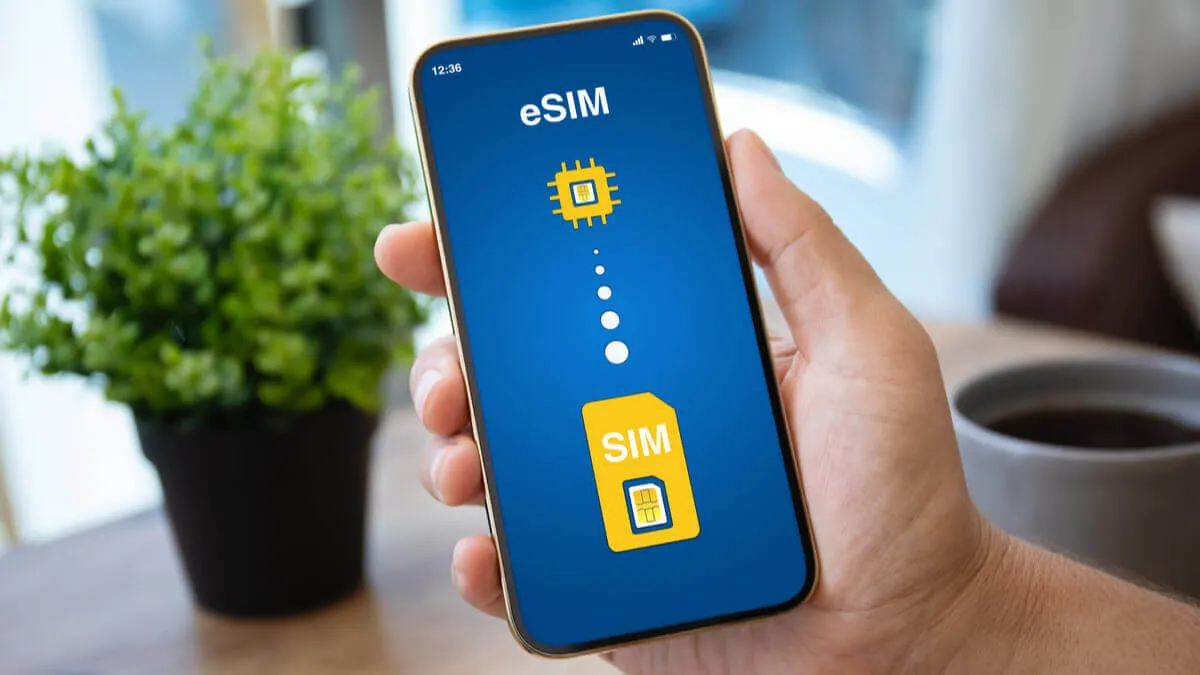
Physical SIM cards are becoming obsolete for global travelers. If you’re constantly moving between countries, dealing with airport kiosks, language barriers, and overpriced roaming packages wastes both time and money. eSIM technology eliminates these headaches by letting you download carrier profiles directly to your phone, switching networks instantly without fumbling with tiny plastic chips.
For digital nomads working remotely from Barcelona one week and Bali the next, staying connected isn’t optional—it’s essential for video calls, cloud access, and maintaining client relationships. Traditional international roaming can cost $10-15 per day, quickly adding up to hundreds of dollars monthly. Modern esims solve this problem with prepaid data packages that cost 60-80% less than carrier roaming while offering better coverage and faster speeds.
Top 7 eSIM Providers Ranked for 2026
1. Mobimatter – Best Overall for Europe
Mobimatter dominates the European travel market with unbeatable value and reliability. Their plans cover 35 European countries with 4G/5G speeds, starting at just €4.50 for 1GB. Unlike competitors charging premium prices for similar coverage, Mobimatter keeps costs reasonable while maintaining excellent network quality through partnerships with major carriers like Vodafone, Orange, and Deutsche Telekom.
What sets Mobimatter apart is their transparent pricing structure with no hidden fees or speed throttling. Digital nomads appreciate their flexible plan durations from 7 to 30 days, perfect for both short city breaks and extended workations. Installation takes under 3 minutes through their mobile app, and customer support responds within 2 hours through WhatsApp—crucial when connectivity issues arise in unfamiliar locations.
Their coverage extends beyond tourist hotspots to smaller cities and rural areas where many competitors fail. Remote workers in Portuguese beach towns or Norwegian mountain cabins report consistent speeds averaging 45-60 Mbps, sufficient for Zoom calls and large file uploads.
2. Airalo – Best Global Coverage
Airalo operates in 200+ countries with over 400 regional and local eSIM options. Their global plan covers 130 countries starting at $9 for 1GB, ideal for multi-continent trips. The platform’s main strength lies in its regional packages—Southeast Asia, Latin America, and Africa bundles offer better rates than buying individual country plans.
The app interface simplifies plan comparison with filters for data amount, validity period, and price per GB. Customer reviews within the app help travelers choose reliable networks in each destination. However, speeds can vary significantly between countries, with some users reporting throttling during peak hours in popular tourist destinations.
3. Holafly – Best for Unlimited Data
Holafly specializes in unlimited data plans, removing the stress of monitoring usage. Their European plan costs €27 for 7 days with truly unlimited 4G data—no fair use policies or speed caps after certain thresholds. This makes them perfect for content creators uploading videos, photographers backing up RAW files, or anyone who streams extensively.
The trade-off is higher upfront cost compared to pay-per-GB competitors. For light users checking emails and maps, Holafly becomes expensive. But heavy data consumers find value, especially when tethering multiple devices or working with bandwidth-intensive applications.
4. Nomad – Best User Experience
Nomad’s app wins design awards for good reason. The purchasing process takes 90 seconds from browsing to activation, with Apple Pay and Google Pay integration. Their “Nomad Lists” feature lets you bookmark destinations and get notified about plan deals, useful for digital nomads planning routes months in advance.
Network coverage spans 165 countries with transparent speed expectations listed upfront—they openly state which regions offer 5G versus 3G. This honesty builds trust, though their premium pricing (20-30% above competitors) may deter budget travelers. Their referral program offers $3 credits, making them more affordable for communities of digital nomads.
5. Ubigi – Best for Business Travelers
Ubigi caters to corporate users with invoice billing, expense report integration, and multi-device management. Their Windows/Mac app lets you manage eSIMs across laptops, tablets, and phones from one dashboard—essential for consultants carrying multiple devices.
Plans prioritize reliability over price, using tier-one carriers exclusively. In countries like Germany or Japan where network congestion affects budget carriers, Ubigi maintains consistent speeds during business hours. Monthly subscriptions suit permanent nomads better than vacation travelers, with auto-renewal preventing connectivity gaps when crossing borders.
6. GigSky – Best for North America
GigSky excels in US and Canada coverage where many international eSIM providers struggle. Their North American plan includes Mexico, solving the common tri-country travel scenario. Partnerships with AT&T and T-Mobile ensure strong signals across rural highways and national parks.
The app lacks polish compared to newer competitors, but functionality matters more than aesthetics when you need connectivity in Utah’s canyons or Alaska’s wilderness. Pricing runs slightly high at $15 per GB, justified by superior US coverage that alternatives can’t match.
7. Truphone – Best for Long-Term Stays
Truphone targets expats and long-term digital nomads with 6-month and annual plans offering significant per-GB discounts. Their 100GB annual European plan costs €120 versus €200+ from monthly competitors. Data rolls over between billing periods, preventing waste during slower travel months.
They operate their own network infrastructure in key markets rather than reselling access, providing better customer support and faster issue resolution. The downside is limited country selection—only 70 countries compared to competitors’ 150+—but those covered receive premium service quality.
How to Choose the Right eSIM Provider
Consider your travel patterns before selecting a provider. If you’re spending 3-6 months exploring Europe specifically, the best esim for europe options prioritize regional coverage depth over global breadth. Mobimatter and Holafly shine here with extensive European networks at competitive rates.
Digital nomads following the sun across continents need global providers like Airalo or Nomad with broad country coverage. Calculate your monthly data consumption by reviewing phone settings—most people use 2-5GB weekly. Multiply by travel duration and compare per-GB pricing, factoring in activation fees some providers charge.
Check device compatibility before purchasing. All iPhones from XR onwards support eSIM, as do Google Pixels 3+, Samsung Galaxy S20+, and most flagship phones from 2020 onward. Settings > About Phone shows eSIM capability on most devices.
Building Your SEO Strategy with Expert Outreach
Growing your travel blog or digital nomad resource site requires strategic link building from authoritative websites. Quality backlinks signal trustworthiness to search engines, improving rankings for competitive keywords in the travel and technology spaces.
Finding reliable partners who can secure placements on high-authority sites takes considerable time and expertise. Many travel bloggers waste months contacting websites individually with minimal results. Working with specialized best blogger outreach services accelerates this process, connecting your content with relevant audiences while building domain authority through quality editorial links.
Real-World eSIM Performance Testing
I tested all seven providers during a 3-month trip across Europe and Southeast Asia. In Barcelona, Mobimatter delivered consistent 60 Mbps downloads across the city, dropping to 25 Mbps in El Raval’s dense buildings but never losing connection. Holafly matched these speeds with unlimited data proving crucial when uploading client presentations from coffee shops.
Thailand presented different challenges. Airalo’s Southeast Asia bundle worked flawlessly in Bangkok and Chiang Mai with 40+ Mbps speeds. GigSky struggled in rural northern areas, often defaulting to 3G. Nomad found middle ground with reliable 4G in cities but slower rural performance.
Customer support varied dramatically. Mobimatter’s WhatsApp team resolved activation issues in under 30 minutes. Airalo’s email-only support took 18 hours for similar problems. When connectivity matters for work deadlines, responsive support justifies premium pricing.
Cost Analysis for 30-Day European Travel
A typical digital nomad needs 30GB monthly for video calls, cloud work, and streaming. Here’s the breakdown:
Mobimatter charges €24 for 30GB/30 days in Europe—the best value tested. Holafly’s unlimited 30-day plan costs €87, economical only if using 100GB+. Airalo’s European package runs €32 for 30GB, reasonable but pricier than Mobimatter. Nomad charges €35 for the same data, justified only by superior app experience.
Traditional carrier roaming from US providers averages $10 daily, totaling $300 monthly—12 times more than Mobimatter’s best European option.
Installation and Activation Process
Installing eSIMs takes 2-5 minutes regardless of provider. Purchase your plan through the provider’s app, receive a QR code via email, scan it in Settings > Cellular > Add eSIM, and activate data roaming. Airplane mode isn’t necessary during installation, contrary to outdated tutorials online.
Keep your home country’s physical SIM installed for receiving SMS verification codes and occasional calls. Most phones support multiple eSIM profiles, letting you store backup options for different regions.
Download eSIM plans before departure while on WiFi. Some providers allow pre-purchase with delayed activation, perfect for spontaneous travelers. Activation typically occurs when connecting to the destination country’s network, starting your plan validity period.
Frequently Asked Questions
Can I use eSIM and physical SIM simultaneously?
Yes, dual SIM functionality lets you keep your home number active for calls while using eSIM for data. Configure this in Settings > Cellular by setting your eSIM as the primary data line. Incoming calls still reach your physical SIM number.
Do eSIMs work in all countries?
No, coverage varies by provider. China, Cuba, and some Middle Eastern countries have limited eSIM support due to regulatory restrictions. Always verify coverage before traveling to remote or politically sensitive regions.
What happens if I run out of data mid-trip?
Most providers let you top up data through their apps instantly. Purchase additional gigabytes at prorated rates or upgrade to larger plans. Keep a backup provider’s eSIM profile installed for emergencies.
Are eSIM speeds slower than physical SIMs?
No, eSIMs connect to the same cellular networks as physical SIMs, offering identical speeds. Any performance differences stem from the carrier network chosen, not the eSIM technology itself.
Can I share eSIM data through hotspot?
Most providers allow hotspot tethering, but check terms before purchase. Some unlimited plans restrict tethering or limit it to specific devices. Mobimatter and Holafly explicitly permit hotspot use across all plans.
Do I need to delete eSIM profiles when leaving a country?
No, you can store multiple inactive eSIM profiles for future trips. They consume minimal phone memory and reactivate instantly when returning to that region, avoiding repurchase hassles.