Catch As Catch Can, Benefits, how it works, and why your engine sorta needs one
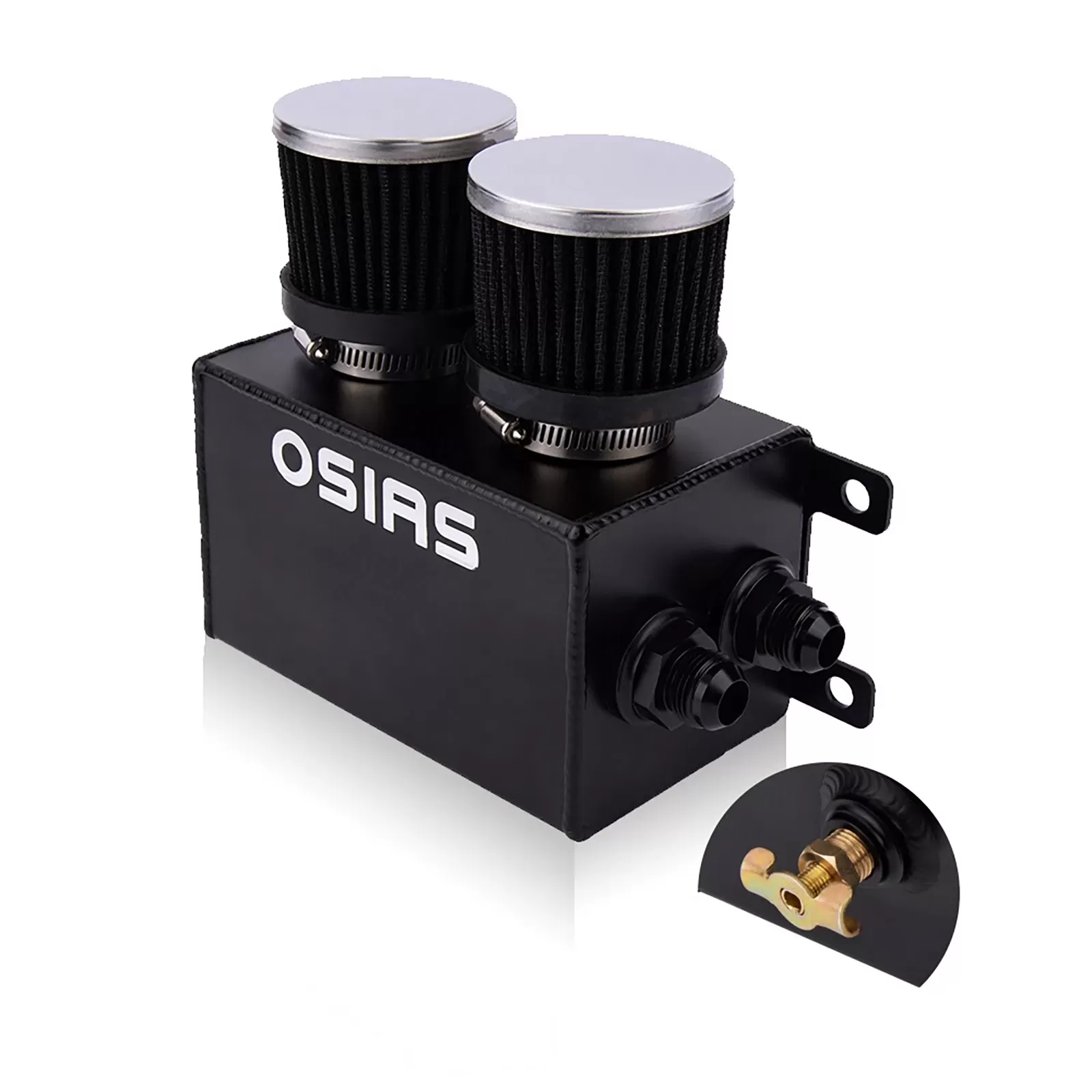
So, what is a catch as catch really? It’s this engine bit that’s meant to trap oil vapors, plus water moisture, and other small junk coming from the crankcase ventilation side, before those fumes end up in the intake manifold. Most modern engines run a Positive Crankcase Ventilation system, a PCV thing, which sends blow-by gases back into the engine to be burned during combustion. But ya, those blow-by gases can also carry little oil bits, and over time they can start to coat the intake passages and mess with airflow. That’s where the catch as catch can come in. It separates the mess, holds it inside the can , and leaves the “cleaner-ish” air to keep moving.
Ok, how does it work though?
The catch as catch can principle is pretty straightforward, but it does a lot. Blow-by gases come out of the crankcase, travel through the PCV pathway, and reach the catch can before they can go into the intake manifold. Inside, you usually get baffles or filter media that kinda slow the airflow down, or change the direction, so oil droplets and condensation can cool down, then collect at the bottom. Once that happens the lighter air continues on , while the trapped contaminants stay in the reservoir until you drain it later. That draining is typically part of regular maintenance, and the whole cycle repeats.
Why should you care, like really?
Because that oil mess can build up on the intake system, including the throttle body, the intercooler, the intake valves, and pretty much anywhere those vapors end up. If oil layers start collecting, it can lower combustion efficiency, add up carbon deposits, and slowly reduce engine performance. By pulling out those contaminants earlier, the engine keeps its internal parts cleaner, tends to run smoother, and you often get more consistent output over the life of the motor.
Main benefits you can actually feel
A big plus is less carbon buildup on intake valves, especially for direct injection setups. It also helps combustion stay more consistent since you’re not letting oil mix with the incoming air as much. Drivers often report smoother running, better throttle response, and fewer engine deposits overall. It can also mean lower maintenance costs, and in general, it helps support longer engine service life, which is kinda the whole point.
When might your engine be asking for one?
Even stock engines make some blow-by gases during normal driving. But if you start seeing heavy oil residue in the intake hose, or you notice more carbon on intake areas, or you feel the engine efficiency drop, or you’re seeing increased oil consumption, then a catch as catch can add extra protection. Turbocharged and high-performance engines often benefit the most because they generate more crankcase pressure than naturally aspirated engines. So, there’s just more “stuff” to separate.
Maintenance, the not-so-fun but necessary part
To keep a catch as a catch can do its job, you have to drain it periodically. How often depends on your driving style, engine condition, climate, and how much condensation you get. Colder weather and heavy load driving can increase moisture buildup, which means you may need more frequent checking. Also , cleaning the can and its internal filter or media helps keep separation efficiency high. If you ignore it, the system can stop working the way you expect.
How to choose the right catch as catch can
When picking one, look for durable materials and a good internal baffle setup, not just something flimsy with a pretty label. A solid catch can should separate oil effectively, use leak-free connections, and have enough capacity so you’re not draining it every other week. Choosing a well-designed product helps keep the engine safer from harmful oil contamination and makes the whole setup more dependable.
Final thoughts
All in all, a catch as catch can is a pretty simple, but effective upgrade for both modern gasoline and diesel engines. It pulls oil vapors and contaminants away from the PCV route before they reach the intake manifold, which can reduce carbon buildup, support better combustion efficiency, and help OSIAS extend engine life. Whether you’re doing daily driving, towing, or pushing a high-performance build, installing and then maintaining a quality catch as catch can is a solid way to keep things cleaner and running at their best.