How to Combine Colors in Streetwear: The Complete Outfit Guide for 2026
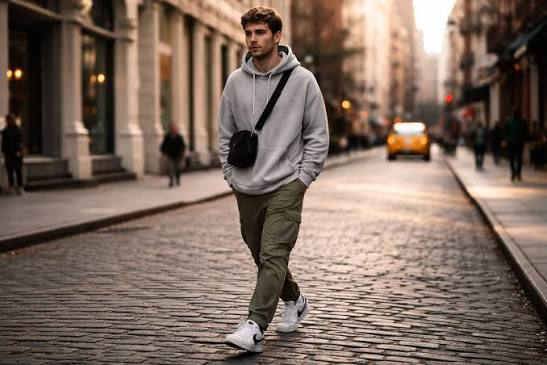
Anyone learning how to combine colors in streetwear quickly realizes that it is less about traditional menswear rules and more about developing a simple styling system. Streetwear is built around contrasts, understated base colors, and carefully chosen accents. The German brand novanity demonstrates how minimalist urban fashion can have plenty of character without looking overly loud.
In this guide, we’ll explain how to combine colors in streetwear for everyday outfits, covering everything from hoodies and sweatpants to tracksuits, sneakers, layering, and capsule wardrobes.
Key Takeaways
- Two to three colors are usually enough for a well-balanced streetwear outfit.
- Neutral shades such as black, gray, and navy create a strong foundation for a streetwear capsule wardrobe.
- Oversized fits work well when there is some contrast between a loose hoodie and a slimmer or tapered pair of sweatpants.
- Sneakers can look more cohesive when they pick up one of the outfit’s main colors.
- Layering works best with a maximum of three layers and a clear color strategy.
Why Combining Colors in Streetwear Shouldn’t Be Random
An outfit usually looks more polished when its colors are intentionally coordinated rather than randomly selected. Streetwear outfits for men in 2026 continue to work well with muted shades such as charcoal, navy, beige, and black, often paired with a single accent color.
This approach reduces visual clutter and allows individual pieces, such as a hoodie, T-shirt, or pair of sneakers, to stand out without competing with everything else.
When you understand how to combine colors in streetwear, you rarely need more than three colors in one look. Two neutral base colors combined with one accent shade are enough to create a stylish and balanced outfit in most situations.
The Best Color Families for Men’s Streetwear Outfits in 2026
A useful way to approach streetwear colors is to divide them into three main groups: neutral basics, muted natural tones, and accent colors.
Neutral basics include black, white, gray, and ivory. Muted natural shades include navy, olive, beige, and brown. Accent colors can include stronger shades of blue, red, or green.
A simple 70-20-10 approach can also help:
- 70% base color: The dominant shade in the outfit
- 20% secondary color: A complementary or natural tone
- 10% accent color: A small, attention-grabbing detail
| Color Type | Examples | Best Use |
| Base | Black, white, gray | Hoodie, sweatpants, T-shirt |
| Natural tone | Navy, beige, olive | Tracksuit, jacket, sweatshirt |
| Accent | Bright blue, red, green | Sneakers, print, logo |
This system makes it easier to experiment while keeping the overall outfit visually balanced.
Essential Streetwear Pieces for Your Wardrobe
Before planning how to combine colors in streetwear, it helps to build a reliable foundation. A versatile streetwear wardrobe does not need dozens of pieces. Instead, focus on clothing that works across multiple outfits.
Some essential pieces include:
- A neutral hoodie
- A plain or minimally designed T-shirt
- Sweatpants in gray or black
- A versatile tracksuit
- A sweatshirt suitable for layering
- Two or three T-shirts with subtle graphics or prints
Choosing versatile colors makes these pieces much easier to mix and match. Black, gray, navy, ivory, and beige can form the foundation of countless streetwear combinations.
How to Style a Hoodie for Men With the Right Colors
When styling a hoodie, pay attention not only to the main color but also to the layers underneath it. A long-sleeve shirt or T-shirt in a similar but slightly contrasting shade can add depth to the outfit.
For example, a navy hoodie can create a clean, understated look when worn over a black T-shirt. A gray hoodie, including a style such as a Melted Grey Hoodie, can work particularly well with lighter neutral and natural shades.
Small details also matter when combining colors in streetwear. Hoodie drawstrings, cuffs, logos, and graphic prints should complement the rest of the outfit instead of introducing unnecessary colors.
If your hoodie already contains a noticeable graphic or logo, keep the remaining pieces relatively simple. This allows the main design element to become the visual focus.
How to Style a Tracksuit as an Everyday Outfit
Styling a tracksuit for everyday wear can mean wearing the jacket and pants together as a matching set or separating them to create a more varied outfit.
A black tracksuit offers a clean and versatile foundation, while a gray tracksuit creates a softer, more relaxed appearance. Both can be paired with sneakers featuring a subtle accent color.
You can also combine a tracksuit jacket with sweatpants in a related shade. For example, black and charcoal work well together because they provide enough contrast without creating a dramatic color clash.
A blue tracksuit or tracksuit in a stronger blue shade can introduce more color into your wardrobe. When using a bolder color for the main outfit, keep your sneakers and accessories relatively understated.
Sweatpants and Sneakers: Cool Color Combinations
Cool sweatpants-and-sneaker combinations often come from balancing the soft, matte appearance of sweatpants with the structured silhouette of a sneaker.
Gray and black sweatpants are particularly easy to style because they work with a wide variety of sneaker colors. Lighter shades such as ivory can create a cleaner and more contemporary appearance.
One practical rule is to let your sneakers repeat one of the outfit’s main colors.
For example, if you are wearing a black hoodie with gray sweatpants, sneakers featuring black or gray details can help connect the entire outfit. The result feels intentional without requiring every item to match perfectly.
Finding the Right Oversized Fit
Getting the right oversized fit is almost as important as choosing the right colors. Wearing extremely loose pieces on both the top and bottom can make the overall silhouette look shapeless.
A useful styling principle is to balance proportions. If your hoodie is oversized, consider wearing sweatpants with a slightly slimmer or tapered fit. If your pants are especially wide, a more structured or moderately fitted top can create better balance.
Color contrast can also help define the silhouette. A darker hoodie worn with lighter sweatpants creates a visual separation between the upper and lower parts of the outfit.
This makes oversized streetwear easier to read while maintaining the relaxed aesthetic associated with urban fashion.
Streetwear Layering for Transitional Weather
Streetwear layering is especially useful during spring and fall when temperatures can change throughout the day.
The easiest approach is to use no more than three layers and maintain a consistent color strategy.
For example, you could start with a white or gray long-sleeve shirt, add a navy sweatshirt such as the Feels Like Wearing a Cloud Sweatshirt Navy, and finish with a hoodie or lightweight outer layer in a related color.
This combination provides warmth and depth without making the outfit appear overly complicated.
Novanity uses understated base colors across many of its pieces, making them easy to layer and combine. If you want to explore the available basics, no vanity offers a selection of hoodies, sweatshirts, sweatpants, and other minimalist streetwear pieces in versatile shades.
How to Build a Streetwear Capsule Wardrobe
If you want to build a streetwear capsule wardrobe, start with a small selection of versatile colors rather than buying pieces in every shade.
Black, gray, navy, ivory, and one accent color can provide a strong foundation. These colors can be combined in numerous ways, allowing you to create a wide variety of outfits without an overcrowded wardrobe.
The same principle works well when shopping for new pieces. Before buying something, consider whether its color works with the clothing you already own.
For example, a bright green hoodie may look great on its own, but if most of your wardrobe consists of warm brown and beige pieces, it may be harder to style. A navy, gray, or black alternative could offer significantly more versatility.
A carefully selected collection of hoodies, sweatshirts, T-shirts, sweatpants, and tracksuits can therefore create a practical wardrobe where most pieces work together.
Frequently Asked Questions About Combining Colors in Streetwear
How many colors should a streetwear outfit have?
Two or three colors are usually enough for a balanced streetwear outfit. Using more than three strong colors can make the look feel visually busy and can take attention away from individual pieces.
Can you wear black and navy together in a streetwear outfit?
Yes. Black and navy can work very well together because the contrast is subtle rather than dramatic. Adding a neutral shade such as gray or white can create an additional visual connection between the colors.
What colors go well with a gray hoodie?
Gray is one of the easiest streetwear colors to style. It works particularly well with black, navy, beige, white, and muted earth tones. If you want to add an accent, consider using a colorful sneaker while keeping the rest of the outfit neutral.
How do you combine colors in a tracksuit?
The simplest option is to wear a matching tracksuit in one color and introduce a complementary sneaker or accessory. If you prefer to mix pieces, choose related shades rather than completely unrelated colors. Black and charcoal, for example, create a subtle and sophisticated combination.
Can you wear colorful sneakers with a neutral streetwear outfit?
Absolutely. Colorful sneakers can work as the single accent in an otherwise neutral outfit. A black hoodie, gray sweatpants, and a pair of sneakers with a strong red or blue detail can create an effective look. The key is to avoid adding several competing accent colors elsewhere in the outfit.
Final Thoughts
Learning how to combine colors in streetwear does not require complicated fashion rules. Start with neutral basics, introduce one secondary tone, and use stronger colors selectively.
Black, gray, navy, beige, and ivory provide a reliable foundation for everyday outfits, while a single accent color can add personality. Proportions, layering, and sneaker choices also play an important role in making the final look feel cohesive.
Once you understand these basic principles, creating streetwear outfits becomes much easier. Instead of trying to make every item match, focus on creating a visual connection between the colors, textures, and silhouettes you choose.