How to Style Shirts in 2026: A Heavyweight Streetwear Guide
Learning how to style shirts in 2026 starts with fabric, not logos. Heavyweight cotton graphic tees, hoodies and sweatpants have pushed thin, printed basics out of daily rotation, and the shift changes how these pieces get worn. This guide breaks down how to style shirts in 2026 for men who care about fit, weight and layering rather than chasing trends. Along the way, it covers hoodie outfit ideas, sweatpants pairings and a few notes on backpacks, since a full streetwear outfit rarely stops at the shirt.
Key takeaways
- Fabric weight, measured in GSM, determines how a tee or hoodie drapes and holds its shape better than logo placement does
- Heavyweight tees around 220 to 280 GSM can be worn as standalone pieces without an undershirt
- Cotton work pants and tec pants offer a straighter, more polished alternative to classic sweatpants
- Zip hoodies are more practical than pullovers for layering through unpredictable fall and spring weather
- Neutral or camo backpacks tend to match more outfits than bright, busy patterns
130 world lineup of graphic tees, hoodies and sweatpants offers a useful reference point because several pieces list their actual fabric weight, something most basics brands skip entirely.
Why Fabric Weight Changes How to Style Shirts in 2026
Cotton weight is measure in GSM, grams per square meter. A 150 to 180 GSM tee drapes soft and thin, while anything above 220 GSM holds its shape, sits square on the shoulders and resists the see-through look under bright light. That structure matters when you’re figuring out how to style shirts in 2026, because a heavier tee reads as a standalone piece rather than an undershirt.
Some 400GSM cotton hoodies fall into a similar category: thick enough to wear alone on a cool afternoon, with no need for a jacket layered over them. Tees around 250GSM sit in the middle ground, sturdy enough to hold a bold graphic without curling at the print edges after a few washes. Once you know the weight of a piece, the styling decisions get easier, since heavier cotton behaves more like outerwear than a base layer.
Graphic Tee Outfits for Men
A heavyweight graphic tee works best when the rest of the outfit stays quiet. Straight leg denim or plain cotton work pants let the print do the talking, and a clean pair of low top sneakers keeps the look from feeling busy.
- Tuck the front half only for a relaxed, undone finish instead of a full tuck.
- Size up one from your usual fit if the tee runs closer to 250GSM, since heavier cotton needs a touch more room to drape rather than cling.
- Pair a solid tee with cargo pants or work pants when the graphic tee is busy, so the outfit has one focal point, not two.
- Stick to one dominant color per outfit and let the graphic supply the contrast, rather than mixing several loud prints at once.
T-shirt outfits for men that lean on heavyweight cotton tend to age better too. The extra weight resists pilling under a backpack strap and holds its shape through repeated washes, so the tee still looks structured months later instead of going limp.
Heavyweight Hoodie Outfit Ideas
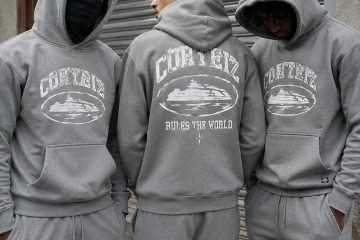
Hoodies carry more visual weight than tees, so proportion matters more here. A boxy, heavyweight hoodie paired with slim or straight sweatpants balances the silhouette, while an oversized hoodie over joggers with too much fabric can swallow a frame.
Layering a Zip Hoodie
Zip hoodies give you a middle layer that’s easy to open when it’s warm and zip shut when a cold front moves through, which makes them more practical than pullovers for transitional weather in spring and fall.
- Half-zip over a plain tee for early fall mornings that warm up by noon.
- Full zip left open over a graphic tee for a layered look without extra bulk.
- 400GSM cotton hoodies worn alone once temperatures drop into the 50s, since that weight holds warmth without a jacket.
These heavyweight hoodie outfit ideas hold up whether you’re running errands or heading out for the evening, because the fabric does the work that a jacket would otherwise do. A heavyweight hoodie also pairs well with a graphic tee underneath during colder months, letting the tee’s print peek out at the collar without adding bulk.
How to Style Sweatpants Men Actually Wear Outside the House
Sweatpants have moved past loungewear, but figuring out how to style sweatpants men can wear in public takes a bit more care than throwing on a hoodie. The category also includes cotton work pants and tec pants, which read less like gym gear and more like a straight leg pant with a soft, brushed interior.
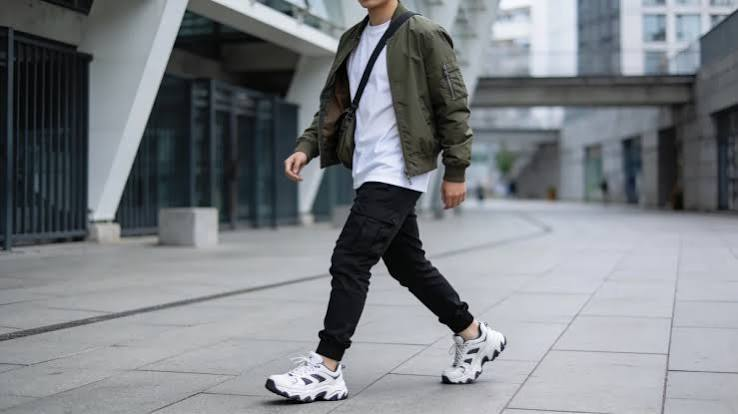
A tapered or straight leg sweatpant with a hemmed cuff pairs cleanly with low top sneakers, while a heavier work pant with a slight flare balances a boxy hoodie up top. Keep the color palette limited: black, gray, olive and off white cover most streetwear outfits without clashing.
Work Pants vs Sweatpants
Cotton work pants tend to sit closer to a straight trouser cut with reinforced pockets, while classic sweatpants keep the elastic waist and tapered ankle. Tec pants, often blended with poly, add a bit of stretch and water resistance that plain cotton sweatpants don’t offer, which makes them a better pick for damp fall days.
| Bottom Type | Best For | Typical Fit |
| Sweatpants | Casual, cold weather layering | Tapered, elastic cuff |
| Cotton Work Pants | Everyday wear, slightly dressed up | Straight leg |
| Tec Pants | Wet or unpredictable weather | Straight leg, stretch |
Backpacks as the Finishing Piece
A backpack is often the last thing people think about when working out how to style shirts in 2026, but it changes the silhouette as much as any layer. A boxy canvas backpack sits well against a heavyweight hoodie, while a slimmer bag works better with a plain tee and straight leg pants.
Camo colorways are a practical middle ground, since they pair with olive, black or off white outfits without clashing the way a bright print would. The 130 backpack comes in a camo option that fits this kind of neutral rotation, and the 130 world backpack line offers a slightly different build for anyone who wants more structure on the front panel.
Building a Weekly Rotation
A simple way to plan outfits without overthinking each morning is to rotate around fabric weight instead of color. Keep two heavyweight tees, one hoodie and one pair of sweatpants or work pants in steady rotation, then swap the graphic tee out day to day while the bottoms and outer layer stay constant.
This approach also stretches the life of heavier pieces, since 400GSM cotton hoodies and sweatpants hold up to more frequent washing than thinner basics without losing shape. Anyone still working out how to style shirts in 2026 for a full week should start here rather than buying more pieces than the rotation actually needs.
Frequently Asked Questions
What GSM cotton is best for a heavyweight tee?
Most heavyweight tees fall between 220 and 280 GSM, which holds its shape without feeling stiff. Anything above 300 GSM starts to feel closer to a light sweatshirt than a tee.
Can sweatpants be worn as regular pants outside the gym?
Yes, as long as the fit is tapered or straight rather than baggy at the ankle, and the fabric has some structure rather than a thin fleece. Cotton work pants and tec pants blur this line even further since they’re built to look like regular trousers.
How do you layer a hoodie without looking bulky?
Stick to one heavyweight layer at a time. A 400GSM hoodie over a thin tee is usually enough; adding a jacket on top of that combination often adds unnecessary bulk.
What’s the difference between a zip hoodie and a pullover for daily wear?
A zip hoodie is easier to adjust for temperature changes throughout the day, since it can be opened or closed without pulling it over your head. A pullover holds heat a bit better once it’s on, but it’s less flexible for layering.
Does backpack color matter with streetwear outfits?
It matters more than most people think, since a backpack sits against the body all day. Neutral tones or camo patterns tend to match more outfits than bright colors or busy graphics.