How Women-Led Pakistani Fashion Brands Are Building Global Recognition
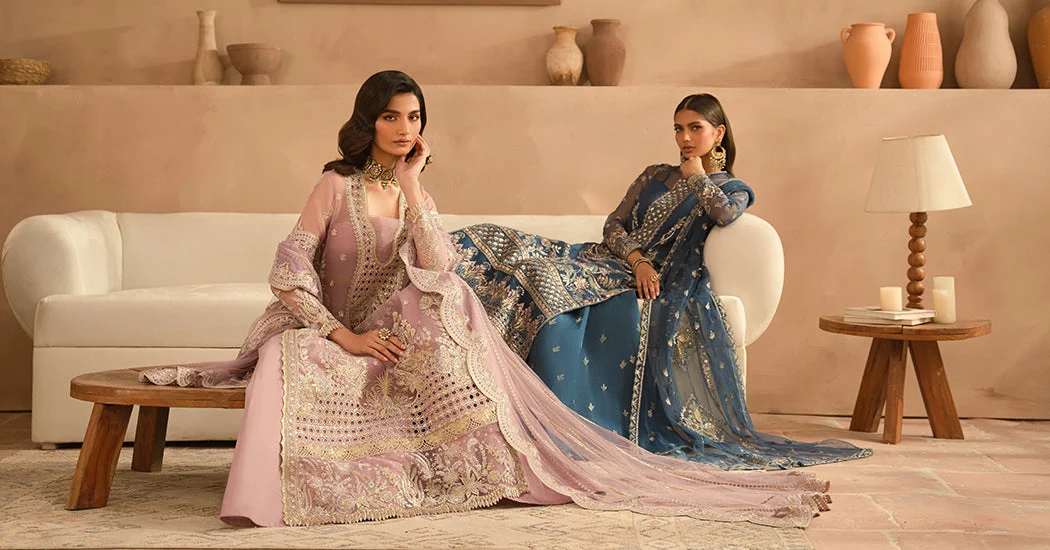
Readymade Pakistani suits and unstitched suits both survived in these ranges because founders understood that customers genuinely split on the tailor question.
Transparency as a Competitive Advantage
· These brands talk openly about fabric composition, production methods, and who makes the clothes. That openness started as a personality trait and turned out to be a commercial edge. Buyers now ask about cotton percentage in a way they did not five years ago, and brands that cannot answer lose the sale. Artisan relationships get named and credited rather than hidden behind a supply chain. When someone searches for Pakistani dresses online, the brands that explain their production tend to convert better than the ones that only show photographs.
The Design Language Has Moved
· Silhouettes relaxed. The heavily fitted kurta of the early 2010s gave way to straighter, easier cuts.
· Colour palettes calmed. Deep neutrals and muted earth tones took space from busier prints.
· Embroidery shifted from statement to detail, with tonal thread work replacing heavy panels in everyday ranges.
· Lengths shortened slightly, which pairs better with Western bottoms and reads more contemporary.
· Interest in ready made pakistani clothes online grew alongside a clear rise in searches for modern pakistani dress styles specifically.
What Global Recognition Actually Looks Like
It is rarely a fashion week moment. More often it is a steady international order volume built over years. Customers in the USA, UK, Canada, and the Gulf order repeatedly rather than once. Diaspora communities acting as the initial audience, then non-Pakistani buyers arriving through the same channels.
Recognition from craft and sustainability communities rather than only from fashion media. The measure that matters is repeat purchase, which is much harder to fake than press coverage.
Quick Styling and Use Cases
· Everyday: a plain cotton kurta over straight leg jeans with the sleeves rolled. Reads are completely normal in any Western city.
· Office: a matched co-ord in a neutral tone with loafers and minimal jewellery.
· Weekend: the same co-ord split up, shirt with jeans or trousers with a plain top.
· Dupatta as a scarf: worn long and loose over a Western outfit, which has become extremely common and looks effortless when the fabric is right.
· Evening: tonal embroidery, deeper colour, structured shoes. Detail without ceremony.
· Travel: cotton, always. It handles transit better than anything synthetic.
Conclusion
The striking thing about this shift is that nobody planned it centrally. There was no campaign that convinced a generation to wear kurtas to work.
Women started building the brands they wanted to buy from, customers recognised themselves in the result, and the market rearranged itself around that.
What it produced is a version of Pakistani fashion that is genuinely contemporary rather than diluted. The craft is intact, the cuts have moved, and both things are true at once.
For anyone interested in how this looks in practice, Khatepoesh is a useful example. Founded in 2016 by a designer who left art school to work with artisans directly, the brand has built its range around pure cotton, hand finished prints, and cuts made for ordinary days. Their collections are at khatepoesh.com.
The wardrobe divide between heritage and everyday is closing, and that is a good outcome for everyone involved.