The Rise of 3D Laser Scanners: High-Precision Scanning for Modern Manufacturing
Modern manufacturing depends on precision. Whether producing machine components, designing new products, or inspecting parts for quality control, accurate measurements are essential for reliable results.
For many years, manufacturers relied on manual measurements and mechanical tools to capture dimensions. While these tools still play an important role, they can struggle to capture complex shapes and detailed surfaces.
Today, advanced digital technologies are transforming the industry. A 3d scanner allows engineers and manufacturers to capture the complete geometry of objects quickly and accurately. This capability is one of the main reasons why 3D laser scanning has become an essential tool in modern manufacturing environments.
By turning physical objects into precise digital models, scanning technology helps companies improve efficiency, reduce errors, and accelerate product development.
What Is a 3D Laser Scanner?
A 3D laser scanner is a device that captures the shape of a physical object using laser-based technology. The scanner projects laser light onto the surface of the object and measures how the light reflects back.
These measurements allow the scanner to calculate the exact position of thousands of points on the object’s surface. The collected points form what is known as a point cloud, which is then processed into a detailed digital model.
This model can be used for a variety of purposes, including design, analysis, inspection, and 3D printing.
Compared to traditional measuring tools, scanning technology captures far more data in a shorter amount of time. Instead of recording individual dimensions manually, the scanner records the entire surface structure of the object.
Why Manufacturing Is Adopting 3D Scanning
Manufacturers are constantly looking for ways to improve accuracy and efficiency. Traditional measurement methods can be slow when dealing with complex parts or detailed components.
A modern 3d printer scanner provides a faster and more complete solution. By scanning the object from multiple angles, engineers can capture the entire geometry of the part in a single session.
This offers several important advantages:
- Faster measurement and inspection processes
- More accurate digital models
- Reduced manual measurement errors
- Easier integration with digital design tools
Because of these benefits, 3D scanning is becoming a standard tool in many manufacturing workflows.
Improving Product Design and Prototyping
Product design often involves multiple iterations. Designers may build early prototypes, test them, and then refine the design before final production begins.
3D scanning makes this process much easier.
Instead of recreating prototypes manually in design software, engineers can scan the physical model and convert it into a digital file. The scanned model can then be modified in CAD software to improve performance, structure, or appearance.
A 3d scanner allows designers to move quickly between the physical and digital worlds.
For example, a prototype can be scanned, adjusted digitally, and then reproduced using a 3D printer. This rapid workflow helps teams experiment with new ideas and bring products to market faster.
Reverse Engineering in Manufacturing
Reverse engineering is another area where scanning technology is extremely valuable.
In many cases, manufacturers need to recreate older parts that no longer have original design files. Measuring these components manually can be difficult, especially if the parts have complex shapes or worn surfaces.
A 3d printer scanner allows engineers to scan the existing component and generate a digital model that can be refined and reproduced.
This process helps manufacturers:
- Recreate discontinued parts
- Repair damaged equipment
- Update older product designs
- Improve compatibility with modern systems
Reverse engineering with scanning technology saves time and reduces the risk of measurement mistakes.
Quality Control and Inspection
Quality control is a critical part of manufacturing. Even small measurement errors can affect how parts fit together or perform in real-world conditions.
3D scanning helps manufacturers inspect products more accurately.
By comparing a scanned model with the original design file, engineers can identify differences between the intended design and the manufactured part.
This process helps detect issues such as:
- Surface deviations
- Structural inconsistencies
- Dimensional errors
A 3d scanner provides a detailed view of the product, making it easier to ensure that every component meets design specifications.
Revopoint’s Contribution to Modern 3D Scanning
As scanning technology evolves, companies like Revopoint are helping make high-quality scanning tools more accessible.
At Revopoint, users can explore a range of advanced scanning solutions designed for engineers, manufacturers, designers, and creators.
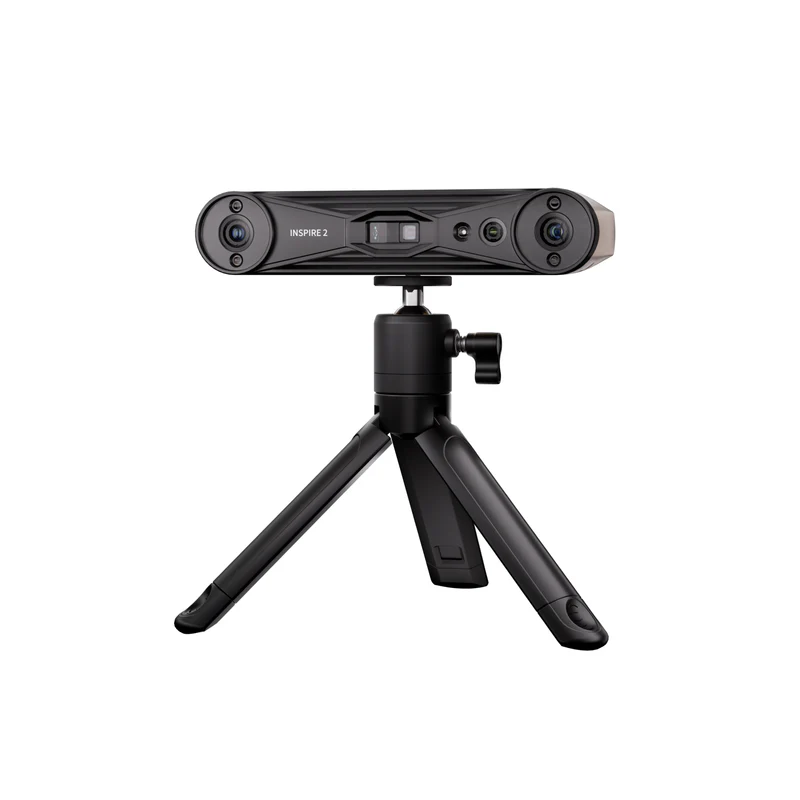
Revopoint scanners are known for combining portability with professional-level precision. Many of their devices are lightweight handheld scanners that allow users to capture detailed scans in different environments.
Some notable features include:
- High-resolution scanning for capturing fine details
- Portable handheld designs for flexible scanning
- Real-time tracking for smoother scan results
- Compatibility with popular 3D modeling and printing software
These capabilities make Revopoint scanners a practical solution for manufacturers looking to integrate scanning into their production and design workflows.
Applications Across Modern Industries
The rise of 3D scanning is influencing many industries beyond manufacturing.
For example:
- Automotive Industry: Engineers use scanning technology to analyze vehicle components and improve part designs.
- Aerospace: Precision scanning helps inspect complex aircraft parts that require extremely accurate measurements.
- Product Development: Companies use scanning to digitize prototypes and improve product designs.
- Education and Research: Students and researchers use scanning technology to study object geometry and digital design techniques.
In all these fields, the ability to capture detailed digital models quickly is transforming how products are designed and analyzed.
Final Thoughts
The growth of 3D laser scanning technology is reshaping modern manufacturing. By capturing detailed surface data and converting it into digital models, scanning tools help engineers work faster and more accurately.
A 3d printer scanner allows manufacturers to digitize physical objects, improve product designs, and simplify reverse engineering processes.
At the same time, a reliable 3d scanner provides the precision needed for inspection, prototyping, and product development.
With innovative solutions from companies like Revopoint, high-precision scanning is becoming more accessible for professionals across many industries. As manufacturing continues to evolve, 3D scanning technology will play an increasingly important role in building faster, smarter, and more accurate production workflows.