Why Organic Muslin Is the Fabric Every Newborn Wardrobe Needs
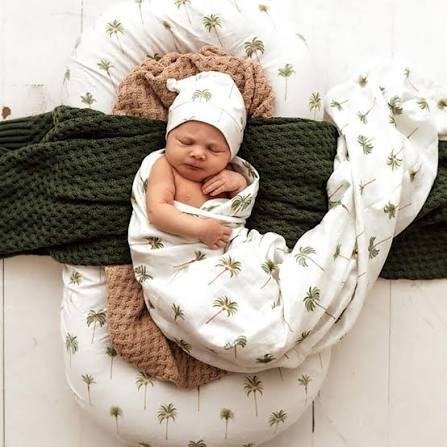
When you’re preparing for a new baby, it feels like every store aisle and online shop is shouting a different opinion about what your newborn should wear. Soft this, breathable that, “premium” everything. It’s a lot of noise for something that should be simple. But if there’s one fabric worth slowing down and paying attention to, it’s organic muslin.
Muslin has quietly become a favourite among parents who care about comfort, safety, and how their baby’s clothes hold up over time. It’s not a trendy buzzword — it’s a genuinely practical choice, and once you understand why, it’s hard to look at a baby wardrobe the same way again.
What Exactly Is Muslin Fabric?
Muslin is a lightweight, loosely woven cotton fabric known for its breathability and soft texture. Traditionally used for swaddling blankets, it has since made its way into everyday baby clothing — bodysuits, sleepwear, rompers, and more.
What sets muslin apart from other cotton fabrics is its weave. The open, gauze-like structure allows air to move through it easily, which is part of why it feels so gentle against delicate newborn skin. Unlike thicker knits or synthetic blends, muslin doesn’t trap heat or moisture, making it comfortable in a range of conditions.
Why “Organic” Makes a Real Difference
Not all muslin is created equal, and this is where the word “organic” starts to matter. A newborn’s skin is thinner, more sensitive, and far more absorbent than adult skin. That means anything touching it — including the chemicals used to grow and treat conventional cotton — has a more direct effect.
Organic cotton is grown without synthetic pesticides or fertilisers, and organic muslin fabric is typically processed without harsh bleaches or chemical dyes. For parents navigating a baby with eczema, sensitive skin, or a family history of allergies, this isn’t a minor detail. It’s often the difference between a comfortable baby and a fussy, irritated one.
When shopping, look for certifications like GOTS (Global Organic Textile Standard) or OEKO-TEX. These labels aren’t just marketing — they’re a genuine signal that the fabric has been tested and verified at every stage of production.
The Real Benefits of Organic Muslin for Babies
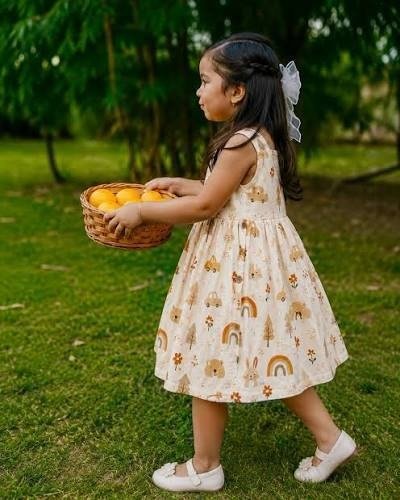
Once you start looking closely, the advantages of organic muslin add up quickly.
It regulates temperature naturally. Because of its breathable weave, muslin helps prevent overheating, which is especially important during sleep and pram naps when babies can’t easily communicate discomfort.
It gets softer with every wash. Unlike synthetic fabrics that pill and stiffen over time, muslin actually improves with use, becoming softer and more comfortable the more it’s washed and worn.
It’s gentle on sensitive skin. The natural, chemical-free processing reduces the risk of irritation, rashes, and allergic reactions — a relief for parents already juggling enough unknowns in the first few months.
It supports a “buy less, wear more” approach. Good-quality organic muslin holds up well over multiple wears and washes, making it a practical choice for parents who want pieces that can be passed down to siblings or given a second life through hand-me-downs. This is increasingly why parents are choosing organic muslin baby clothing over fast-fashion alternatives that wear out after a handful of washes.
What to Check Before You Buy
Not every product labelled “muslin” or “organic” lives up to the claim. A few things worth checking before adding something to your cart:
- Certification — GOTS or OEKO-TEX labels indicate genuine organic and chemical-safety standards, not just marketing language.
- Weave weight — lighter weaves work well for warmer months, while double-layered muslin offers extra warmth for cooler seasons.
- Colourfastness — quality organic dyes shouldn’t run or fade quickly, even after repeated washes.
- Versatility — well-designed pieces should layer easily, giving you more use out of fewer items.
Taking a few extra minutes to check these details can save you from buying pieces that look good on a website but don’t hold up in real life.
A Practical Example Worth Knowing About
This is exactly the thinking behind brands that build their newborn ranges around organic, natural fibres rather than synthetic shortcuts. Yes Mila, for example, designs its baby essentials with this durability-first mindset — clothing meant to be worn, washed, and passed down again and again, rather than treated as disposable. It’s a useful reference point for what to actually look for when comparing baby clothing brands, beyond just price or appearance.
Building a Wardrobe That Makes Sense
Choosing organic muslin isn’t about chasing a trend — it’s about making a practical decision early on that pays off for months, sometimes years. It’s gentler on your baby’s skin, better suited to changing temperatures, and simply built to last longer than most alternatives on the market.
Before your next baby clothing purchase, take a moment to check the fabric label. A small habit like reading past “100% cotton” and looking for organic certification can make a noticeable difference — not just for your baby’s comfort, but for building a wardrobe that’s genuinely worth investing in from the very start.