How Hydrodermabrasion Machines Are Changing Professional Facial Treatments
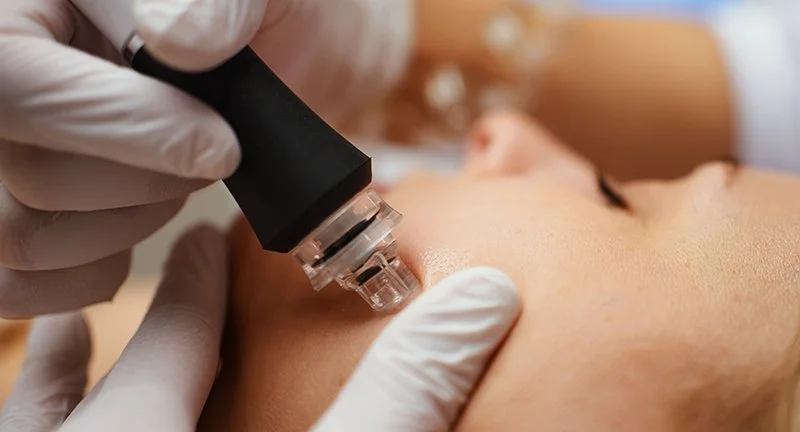
Professional facial treatments have evolved significantly as salons and aesthetic clinics have adopted equipment that combines several skincare techniques in one treatment. Instead of relying solely on manual cleansing and exfoliation, modern facial procedures can incorporate controlled exfoliation, suction, hydration, and serum application.
One of the technologies contributing to this shift is hydrodermabrasion. Often associated with the term hydrafacial, hydrodermabrasion uses a combination of water-based solutions and controlled suction to cleanse and exfoliate the skin while supporting hydration. For professionals considering new treatment equipment, understanding how these systems work can help when deciding which technology fits their services.
What Is Hydrodermabrasion?
Hydrodermabrasion is a non-invasive facial treatment that combines exfoliation with water-based cleansing and hydration. Unlike traditional microdermabrasion, which commonly uses a diamond tip or crystals to remove surface dead skin cells, hydrodermabrasion uses liquid solutions alongside suction.
The process can help remove surface impurities while simultaneously introducing a hydrating solution to the skin. Depending on the equipment, additional functions may also be available, allowing practitioners to create more comprehensive facial treatment protocols.
Modern professional equipment can include multiple handpieces or functions. Some systems combine hydrodermabrasion with technologies such as ultrasonic skin cleansing, oxygen infusion, LED therapy, cold hammer treatment, or other facial modalities.
How Does a Hydrodermabrasion Facial Work?
Although treatment procedures vary according to the machine and professional protocol, a typical hydrodermabrasion facial may involve several stages.
1. Skin Preparation
The skin is first cleansed to remove makeup, surface oils, and other impurities. Proper preparation allows the treatment to be performed more consistently.
2. Exfoliation
A specialised handpiece is used to loosen and remove dead skin cells from the surface. The combination of exfoliation and liquid can provide a different experience from dry mechanical exfoliation.
3. Suction and Extraction
Controlled suction helps lift debris and excess oil from the skin. The strength and technique should be adjusted according to the equipment, treatment area, and client’s skin characteristics.
4. Hydration
A water-based or specialised facial solution can be applied during the procedure. This helps make hydration an integral part of the treatment rather than treating exfoliation as an isolated step.
5. Additional Treatments
Depending on the equipment, practitioners may add other functions to the facial protocol. Multi-function machines are particularly useful for professionals who want to offer different treatment combinations without purchasing separate equipment for every procedure.
Hydrodermabrasion vs. Traditional Microdermabrasion
Both treatments focus on improving the appearance and feel of the skin, but their approaches are different.
Traditional microdermabrasion generally relies on mechanical exfoliation using a diamond tip or abrasive crystals. Hydrodermabrasion, by comparison, combines exfoliation with water or facial solutions and suction.
This distinction can influence which treatment is appropriate for a particular client. Some people may prefer a treatment centred on mechanical exfoliation, while others may be more interested in a facial that combines exfoliation with hydration.
Professional practitioners should consider skin condition, treatment objectives, contraindications, equipment specifications, and their own training before selecting a treatment method.
What Is a Hydrafacial Machine?
The phrase hydrafacial machine is commonly used when discussing equipment designed around hydrodermabrasion-style facial procedures. However, practitioners should pay attention to the exact technology and specifications rather than relying solely on terminology.
Different machines can have substantially different configurations. For example, some professional systems offer six or seven functions, while others provide additional technologies and treatment options. A machine’s number of functions does not automatically determine its suitability; the quality, usability, training requirements, and intended applications are also important.
For salons, the most useful equipment is generally the equipment that fits the existing treatment menu and can be operated confidently and consistently.
Why Are Multi-Function Facial Machines Popular?
Multi-function equipment can allow beauty professionals to provide several facial treatment techniques using one system. This can be particularly useful where treatment-room space is limited.
For example, a single machine may incorporate hydrodermabrasion alongside additional facial technologies. Instead of keeping several independent devices in the treatment room, practitioners can select the functions relevant to each treatment protocol.
However, purchasing a machine with numerous features simply because it has a high function count may not always be the best approach. Professionals should consider:
- Which treatments clients actually request
- How frequently each function will be used
- Training requirements
- Replacement parts and consumables
- Warranty and aftercare
- Certification and compliance information
- Available treatment-room space
- Ease of cleaning and maintenance
These factors can have a greater practical impact than the number of functions listed on a product specification.
Choosing Equipment for a Beauty Salon
Selecting professional facial equipment requires more than comparing prices. Salons should first establish what they want the machine to accomplish.
A practitioner who mainly provides cleansing and hydration treatments may need a different configuration from a clinic offering a broader range of aesthetic facial procedures.
Certification is another important consideration. Equipment sold for professional use should be checked for the applicable certification and documentation associated with the individual model. UK businesses should also consider their own insurance, training, workplace requirements, and relevant professional standards.
After-sales support can be equally important. A machine is a working asset, so access to technical assistance, replacement accessories, consumables, and warranty information can affect its long-term usefulness.
Training and Safe Operation Matter
Even when a facial machine is designed for non-invasive treatments, practitioners should understand how to operate it correctly. Training helps professionals understand the available settings, treatment protocols, contraindications, hygiene procedures, and appropriate use of individual handpieces.
Incorrect pressure, unsuitable settings, poor hygiene, or inappropriate treatment selection can create unnecessary risks. For this reason, machine-based facial treatments should be approached as professional procedures rather than simply as beauty gadgets.
Practitioners should also follow the manufacturer’s operating instructions and obtain appropriate professional training before introducing unfamiliar equipment into a treatment menu.
Maintenance Should Not Be Overlooked
Regular maintenance is an important part of operating hydrodermabrasion equipment. Because these systems commonly use liquids, solutions, suction, and replaceable components, proper cleaning and maintenance are essential.
Treatment protocols should include appropriate cleaning of handpieces and contact surfaces between clients. Consumables should also be replaced according to manufacturer recommendations.
Keeping maintenance records can make it easier to identify recurring problems and ensure that equipment remains suitable for regular professional use.
The Future of Professional Facial Treatments
The growing popularity of combination facial machines reflects a broader trend toward treatment systems that perform several complementary functions. Clients increasingly expect facial treatments to address multiple aspects of skincare during a single appointment, while businesses need equipment that makes efficient use of treatment-room space.
Hydrodermabrasion fits naturally into this environment because it brings cleansing, exfoliation, suction, and hydration together within one treatment concept.
Nevertheless, technology should support professional expertise rather than replace it. The best results from any facial equipment depend on appropriate treatment selection, correct operation, good hygiene, suitable skincare products, and realistic expectations.
Final Thoughts
Hydrodermabrasion has become an important option for salons and clinics looking to provide modern facial treatments that combine exfoliation with hydration. Its water-based approach differentiates it from traditional microdermabrasion, while multi-function equipment can provide additional flexibility for professional treatment menus.
For businesses considering new facial equipment, the right choice should be based on treatment requirements, practitioner training, machine specifications, maintenance, certification, and after-sales support rather than marketing claims alone.
As professional skincare technology continues to develop, understanding how each treatment system works will remain essential for choosing equipment that is practical, safe, and appropriate for the services a salon or clinic intends to provide.