How to Choose the Perfect Leather Jacket for Your Personal Style
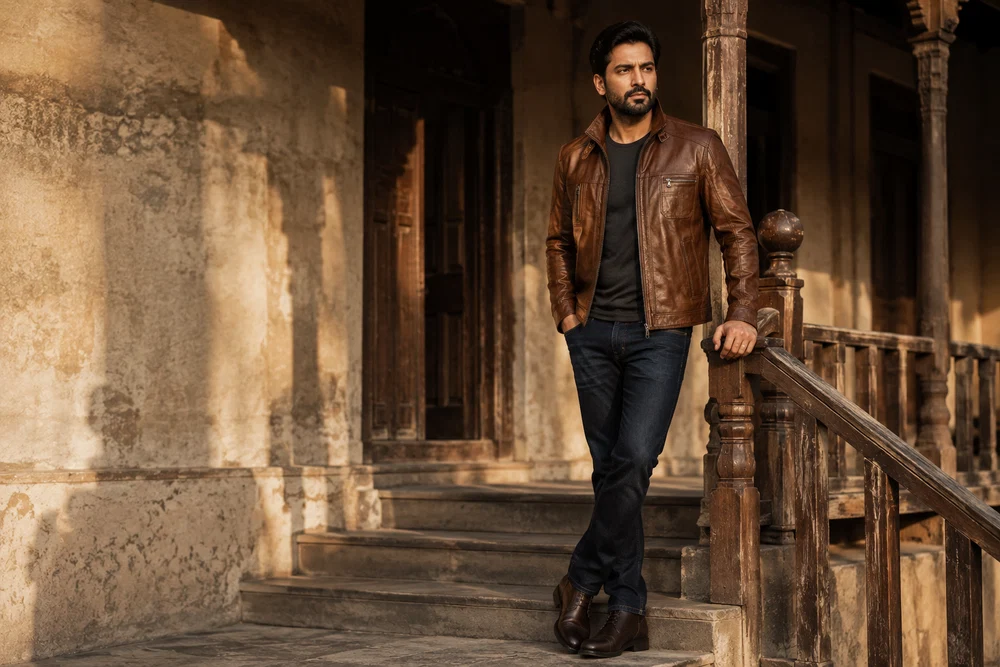
A leather jacket is one of the few wardrobe pieces that gets better with time instead of going out of style. But walk into any store or scroll through an online catalog, and the sheer number of cuts, colors, and leather types can turn a simple purchase into a confusing one.
The truth is, choosing the right leather jacket isn’t about picking the most popular style. It’s about understanding your body type, your lifestyle, and the kind of image you want to project. Get those three things right, and almost any jacket will look intentional. Get them wrong, and even the most expensive leather won’t save the outfit.
This guide breaks down exactly what to look for, so your next leather jacket purchase actually earns its place in your closet for years to come.
Why a Leather Jacket Deserves a Spot in Every Wardrobe
Few garments carry as much visual weight as a leather jacket. It’s structured, textured, and instantly recognizable, which is exactly why it works over almost anything: a plain T-shirt, a button-down, or even a hoodie underneath.
Unlike trend-based pieces that lose relevance in a season or two, a well-made leather jacket tends to age into its best version. The leather softens, develops character, and starts to feel like it belongs to you specifically. That’s a quality fast fashion simply can’t replicate.
The catch is that this only holds true if the jacket fits your frame and suits your lifestyle in the first place.
Step 1: Understand the Main Leather Jacket Styles
Before thinking about fit or color, it helps to know the handful of core styles most leather jackets fall into.
Biker Jackets: Recognizable by the asymmetrical front zipper, wide lapels, and often a belted waist. Biker jackets lean edgy and work well with slim jeans or dark trousers.
Bomber Jackets: Shorter in length with a ribbed collar, cuffs, and hem. Bombers feel more relaxed and casual, making them a strong everyday option.
Aviator Jackets: Built with a shearling or fleece collar and a boxier, insulated shape, the jacket aviator leather style remains one of the most enduring designs in menswear. It balances rugged practicality with a sharp, structured silhouette that flatters a wide range of body types.
Field or Trucker Jackets: Simpler and boxier in design, with minimal hardware, these jackets offer a more casual appearance and work especially well when layered over sweaters.
Knowing which category a jacket falls into makes it much easier to understand how it will actually function in your wardrobe, rather than judging it on appearance alone.
Step 2: Choose a Style That Matches Your Body Type
Fit matters more with leather than almost any other fabric, since leather doesn’t stretch or drape the way cotton or knit does.
- Broader shoulders: A biker jacket’s structured shoulders can look sharp, but avoid anything with excess bulk at the chest.
- Slimmer builds: Bomber or aviator styles add visual weight without overwhelming a leaner frame.
- Taller men: Longer field jackets keep proportions balanced; very short jackets can look mismatched on a taller frame.
- Shorter men: Cropped or hip-length jackets, like most bombers, help avoid a boxy, oversized appearance.
A quick fit test: raise your arms forward as if reaching for something. The jacket shouldn’t ride up dramatically or pull tight across the back. If it does, size up or consider a different cut.
Step 3: Match the Jacket to Your Lifestyle
A leather jacket that looks great on a hanger isn’t useful if it doesn’t fit how you actually live.
- Daily commuters and city dwellers benefit from lighter, more breathable leather in a bomber or trucker style.
- Cold-climate wearers should prioritize an aviator-style jacket with a warm lining, since the shearling collar and heavier build genuinely help with insulation.
- Weekend and casual use opens up more room for experimenting with color and distressed leather finishes.
- Professional or semi-formal settings call for a cleaner, minimal-hardware jacket in black or dark brown.
Buying based on lifestyle first, and aesthetics second, is what keeps a jacket in regular rotation instead of sitting unused after the first few wears.
Step 4: Pay Attention to Leather Quality
Not all leather is created equal, and this is where most buying mistakes happen.
- Full-grain leather is the most durable and develops the richest patina over time, though it comes at a higher price point.
- Top-grain leather is more affordable and still holds up well, with a slightly more uniform finish.
- Genuine leather (a broader, sometimes misleading label) can vary widely in quality, so it’s worth checking the specific tanning and finishing process.
- Faux or PU leather is budget-friendly but generally won’t last as long or age as well.
Brands like The Leather Coats are worth researching specifically because clear information on leather type and construction makes it far easier to judge long-term value before buying.
Step 5: Consider Color Beyond Just Black
Black is a safe, versatile choice, but it isn’t the only option worth considering.
- Black: Pairs with almost everything and reads as slightly more formal.
- Brown or cognac: Softer and more casual, especially good with denim and earth tones.
- Dark green or navy: A subtle way to stand out without straying from a neutral wardrobe.
Whatever color you choose, make sure it fits into your existing wardrobe’s palette rather than requiring an entirely new set of clothes to match it.
Step 6: Check the Details That Signal Quality
A handful of small details separate a jacket that lasts from one that falls apart within a year:
- Even, reinforced stitching along seams and pockets
- Smooth-operating zippers, ideally metal rather than plastic
- A consistent leather grain without obvious inconsistencies
- A lining that feels breathable rather than stiff or plasticky
Spending a few extra minutes inspecting these details before purchase can save years of frustration later.
Step 7: Learn Basic Leather Jacket Care
A leather jacket is an investment, and like any investment, it needs some upkeep.
- Condition the leather every few months to prevent drying and cracking.
- Store it on a wide hanger, never folded, to maintain its shape.
- Keep it away from direct heat sources, which can cause the leather to stiffen.
- Wipe off dirt or moisture promptly rather than letting it sit.
With reasonable care, a good leather jacket can realistically last a decade or more, which makes the upfront cost far easier to justify.
FAQs
1. How do I know what size leather jacket to buy?
Focus on the shoulder seams first; they should sit right at the edge of your shoulder. From there, check that you can comfortably layer a sweater underneath without the jacket pulling.
2. Is real leather worth the extra cost compared to faux leather?
In most cases, yes. Genuine leather develops a better patina, lasts significantly longer, and tends to look more refined over time compared to synthetic alternatives.
3. What’s the difference between a bomber and an aviator jacket?
A bomber is shorter and lighter, designed for everyday casual wear. An aviator jacket typically includes a shearling or fleece collar and heavier insulation, making it better suited for colder weather.
4. Can a leather jacket be worn in professional settings?
Yes, as long as it’s a cleaner cut in black or dark brown with minimal hardware. Avoid heavily distressed or overly casual styles for office or formal environments.
5. How often should I condition a leather jacket?
Every three to six months is generally sufficient for regular wear, though jackets exposed to more sun, cold, or moisture may need conditioning more frequently.
Conclusion
Choosing the perfect leather jacket isn’t about finding the most expensive option or the most talked-about style. It comes down to understanding your body type, being honest about your lifestyle, and prioritizing genuine quality over flashy details.
Whether you lean toward a classic biker silhouette or the rugged practicality of an aviator style, the right jacket should feel like it was made for how you actually live, not just how you want to look in a single photo. Take the time to try on a few styles, pay attention to fit and craftsmanship, and you’ll end up with a piece that only gets better with age.