Why Texture Matching Matters When Choosing Natural Hair Extensions for Black Hair
Choosing extensions is often treated as a question of how much length or volume you want, but the most convincing styles usually begin somewhere else: texture. For Black women, the difference between hair that looks beautifully integrated and hair that looks obviously added can come down to how closely the extension texture complements the hair being worn around it. Curl shape, strand thickness, density, shine, shrinkage, and movement all influence the finished look. Just as importantly, your current hairstyle matters. Natural hair worn in a fluffy blowout needs something very different from hair styled into glossy defined curls. Thinking about texture first makes it easier to create a hairstyle that feels cohesive, polished, and connected to your personal style rather than simply longer.
Match the Hair You Are Wearing, Not Just Your Curl Type
Textured and natural hair can look completely different depending on how it has been washed, stretched, blown out, twisted, defined, or straightened. That is why choosing Natural Hair Extensions for Black Hair should begin with looking at the texture you actually plan to wear rather than relying only on a curl-pattern number. Your natural pattern is useful information, but it does not always describe the finished hairstyle that needs to blend with the added hair.
For example, someone with tightly coiled 4C hair may regularly wear a soft stretched blowout. In that case, a kinky-straight or blown-out extension texture may blend more naturally than a tightly coiled option. Likewise, someone with looser curls who defines them with styling products may need hair with a more structured curl pattern than her untouched texture would suggest.
Instead of asking only, “What is my curl type?” look at several characteristics together:
- Curl or coil size: Are the bends loose, tight, defined, or fluffy?
- Strand texture: Does your hair look silky, coarse, soft, or slightly wiry?
- Density: Is your overall look light and airy or naturally full?
- Luster: Does your hair have a muted natural finish or noticeable shine?
- Shrinkage: How much does your hair shorten when it returns to its natural state?
Texture Matching Makes the Entire Style Look More Intentional
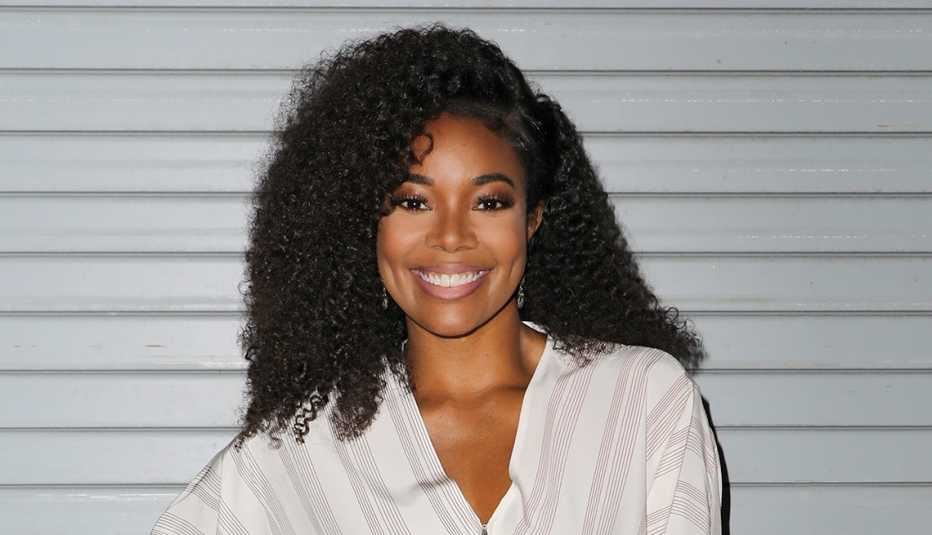
The right texture does more than hide where your own hair ends and the added hair begins. It creates visual continuity. When the density, surface texture, and movement work together, the hairstyle reads as one complete look. This is especially important with layered cuts, voluminous Afros, curly styles, ponytails, and blowouts where different sections of the hair are constantly moving.
Textured and natural hair also responds beautifully to temporary styling changes, which is one reason Clip In Hair For Black Women can be useful for women who like switching between fuller curls, stretched textures, ponytails, and added volume without committing to one permanent installation. The closer the added texture is to the hairstyle being created, the less manipulation may be needed to make everything look connected.
This matters from a fashion perspective as well. Imagine a soft, oversized natural blowout paired with sleek, silky extensions. Even if the color and length are perfect, the difference in movement can interrupt the overall look. A textured extension with similar body creates a much more deliberate finish. The same principle applies to curls: matching the size, fullness, and behavior of the curl often matters more than simply selecting the longest option available.
Black Hair Is Too Diverse for One Universal Texture
There is no single texture that represents Black hair. One woman may have tighter coils around her crown and looser curls near her neckline. Another may have fine strands but extremely high density. Someone else may have coarse strands with a softer, less dense overall appearance. Even two people who identify with the same curl category can require completely different extension textures.
This is why photographs can sometimes be more helpful than curl charts when shopping. Look at your hair after styling it the way you plan to wear it, preferably in natural light. Pay attention to the size of the bends, how much separation appears between strands, and whether your finish is fluffy, defined, stretched, or smooth.
It can also help to think about where your own hair will remain visible. If you are creating a style with leave-out, the extension needs to cooperate with that section. If very little natural hair will be exposed, you may have more flexibility to choose a texture based on the fashion result you want rather than an exact match to your untouched curls.
A Final Word on Personal Style
Texture matching does not mean every strand has to look identical. Natural hair already contains variation, and a little dimension can make an installation look more believable. The goal is harmony. Your natural hair and added hair should appear as though they belong to the same overall hairstyle, with compatible density, movement, luster, and shape.
Most importantly, choose according to the look you actually enjoy wearing. A defined-curly woman, a blowout lover, and someone who prefers stretched coils may all begin with similar natural curl patterns but need very different extensions.